
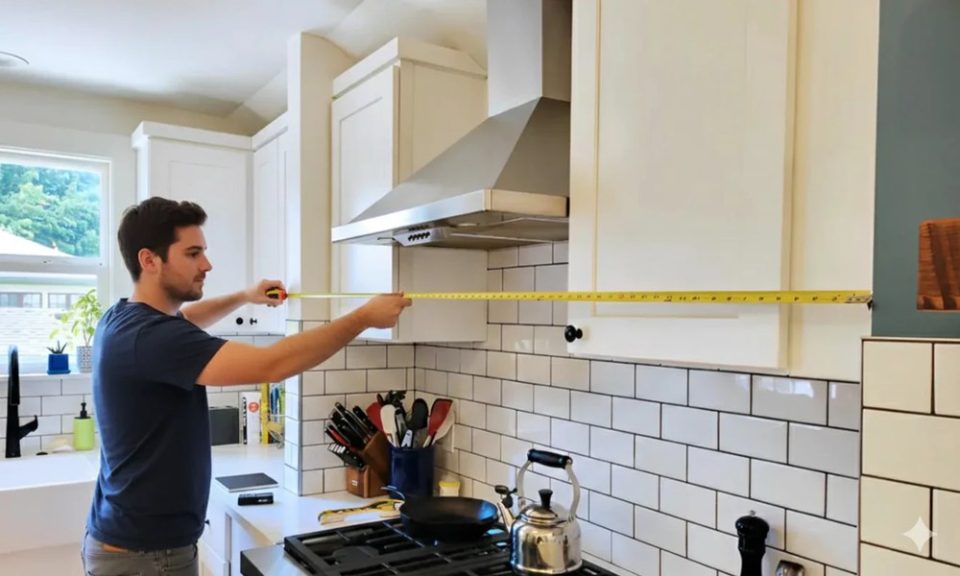
The difference between a beautiful, functional kitchen and a renovation nightmare often comes down to one simple, overlooked detail: accurate measurements. Ordering new cabinets is an investment in your home, but a single inch off can turn the entire project upside down.
Why Is Accurate Space Measurement Crucial Before Ordering Kitchen Cabinets?
Cabinets that don’t quite fit can derail your entire kitchen design. Even a slight miscalculation can lead to costly modifications, wasted time, or cabinets that block doors and windows.
How Measurement Errors Impact Your Kitchen Layout
Missed fractions of an inch might not seem like much on paper, but in your kitchen, they can create real headaches. Cabinet doors may not fully open, appliances may be stuck or off-center, and essential storage can be lost due to last-minute compromises with ill-fitting units.
Benefits of Precise Measurements for Cabinet Fit and Functionality
On the other hand, when measurements are spot on, every cabinet lines up perfectly. Appliances nestle into their places, drawers glide open without hitting obstacles, and the overall flow of the kitchen feels intentional. Precise planning means your chosen style, whether it’s a crisp Milano White flat panel or a classic Park Ave Blue shaker, can truly shine.
What Tools and Materials Do You Need to Measure Your Kitchen Space?
You don’t need fancy equipment to measure like a pro, but choosing the right tools makes the job smoother.
Essential Measuring Tools for Kitchen Cabinet Planning
Start with a sturdy tape measure (ideally at least 25 feet), a pencil, and graph paper or plain paper for sketching. A level helps spot uneven floors or walls. A straightedge or yardstick can assist with long lines.
Optional Tools That Make Measuring Easier and More Accurate
Laser measurers speed up the process for long walls and can increase accuracy, especially in larger kitchens. Blue painter’s tape is handy to mark cabinet outlines on floors or walls, allowing a visual feel for future placement.
How Do You Prepare Your Kitchen Space for Measurement?
Don’t let clutter or obstacles throw off your numbers. A little prep goes a long way.
Clearing the Area and Removing Obstacles
Remove small appliances, chairs, and anything else that might block your view of the walls or floor. If possible, shift moveable furniture out of the way. This gives you unbroken lines to measure and helps avoid errors.
Understanding Fixed Elements (Doors, Windows, Appliances)
Identify all elements that cannot be moved: windows, doors, radiators, vents, and existing appliances. These must be factored into your plan, as cabinets can’t block access or airflow.
What Are the Key Dimensions to Measure Before Ordering Cabinets?
Every kitchen is unique, but a few core dimensions are essential before you look at options like Kitchen Wholesalers kitchen cabinets.
Measuring Wall Lengths and Heights
Measure each wall from corner to corner, as well as from floor to ceiling. Repeat these measurements to catch inconsistencies, especially in older homes. Jot down every result.
Accounting for Ceiling Height and Baseboards
Note the height from the finished floor (not subfloor) to the ceiling and subtract the thickness of any crown molding. Don’t forget to account for baseboards or any molding at floor level, which can reduce usable space for base cabinets.
Door and Window Dimensions and Placement
Measure the width and height of all doors and windows, and document the distance from each opening to the nearest wall corner. Mark their swing direction and make sure there’s enough clearance for cabinet doors and drawers.
How Should You Measure for Different Types of Cabinets?
Different cabinet types require specific attention to detail.
Measuring for Base Cabinets vs. Wall Cabinets
For base cabinets, measure from the floor up to where the countertop will sit, typically around 34.5 inches for standard cabinets. For wall cabinets, note the distance from the countertop to the underside of the upper cabinets, leaving at least 18 inches for clearance.
Considering Corner Cabinets and Specialty Units
Corner units and specialty cabinets, like those for sinks or pull-out organizers, need more precise space allowances. Ensure there is enough room for doors to open fully and for any adjacent drawers or appliances.
How Do You Record and Organize Your Measurements Effectively?
All those numbers are only useful if you keep them clear and organized.
Creating a Clear and Detailed Sketch or Floor Plan
Draw a simple overhead sketch of your kitchen, marking walls, openings, and fixtures. Record each measurement directly onto your drawing, so it’s easy to reference and share.
Using Measurement Labels and Notes for Each Section
Label each measurement with a brief note: “South wall, window to corner, 48 in.” or “Fridge space, 36 in.” These details prevent confusion when discussing your plans with designers or suppliers.
What Common Mistakes Should You Avoid When Measuring Your Kitchen?
DIY measuring is prone to a few classic errors.
Overlooking Irregularities and Obstructions
Walls may not be perfectly straight or floors completely level, especially in older homes. Always double-check for curves, bulges, or angles that might affect cabinet placement.
Failing to Double-Check Measurements
Rushing leads to mistakes. Measure everything twice; compare your notes and resolve any inconsistencies before moving forward.
What Are the Next Steps After Measuring Your Space?
Once your numbers are in hand, the real design process begins.
Sharing Measurements With Your Cabinet Supplier or Designer
Your precise measurements become the foundation for building a kitchen that fits your space flawlessly. Share your sketches, notes, and any site photos with your supplier or designer, so they can recommend the best options.
Confirming Cabinet Specifications and Customization Options
Using your recorded data, work with your supplier to finalize choices on finishes, overlays, and panels. It’s the step where inspiration meets practicality, whether you’re leaning toward elegant white shakers or textured laminates.
Preparing for Professional Installation Based on Your Measurements
Accurate measurements help installers anticipate challenges and prevent surprises on installation day. The more exact your numbers, the smoother the process, right up to the final placement of your new cabinets.
Measure well, and your kitchen upgrade will be a seamless transformation rather than a stressful ordeal.
