

California gives consumers important warranty protections when a vehicle has a serious covered problem that the manufacturer cannot repair after a reasonable number of opportunities. The rules are designed to address more than minor inconvenience. They focus on defects that substantially impair use, value, or safety and remain unresolved during the applicable warranty period.
A claim is built from facts, not frustration alone. The warranty, repair orders, mileage, days out of service, communications, and effect of the defect all matter. Understanding the process can help a driver preserve evidence, avoid premature decisions, and seek timely advice.
Who and What May Be Covered
State protection generally applies to many new cars, pickup trucks, vans, and sport utility vehicles bought or leased in California under the manufacturer’s express warranty. Certain used vehicles can also be covered when they are sold with the balance of the manufacturer’s new-vehicle warranty. Motorhome components and qualifying small-business vehicles may be subject to additional rules.
The California Department of Consumer Affairs publishes a vehicle-warranty question-and-answer guide that outlines covered vehicle categories and the early repair presumption. A presumption can help prove a claim when specified repair or downtime conditions occur within the relevant early period. Still, it is not the only way a consumer may establish rights.
The Core Qualification Questions
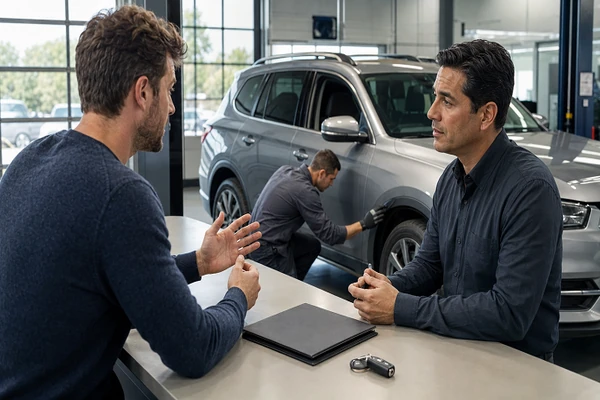
The analysis usually asks whether the problem is covered by the manufacturer’s written warranty, whether it substantially affects use, value, or safety, and whether the manufacturer had a reasonable chance to repair it. The number of reasonable attempts depends partly on severity. A dangerous braking defect may call for fewer opportunities than a less urgent issue.
The lemon law framework also considers whether the consumer’s unauthorized or unreasonable use caused the problem. Accurate service records help separate a manufacturing or warranty concern from damage, neglect, or modification. Owners should follow maintenance requirements and report symptoms precisely.
Possible Remedies
When a vehicle qualifies, the manufacturer may have to replace it or provide restitution. A replacement should be evaluated for model, equipment, financing, taxes, fees, and practical availability. A repurchase calculation may include the amount paid or payable, specified official charges, and reasonable incidental costs, subject to a statutory deduction for use before the first relevant repair attempt.
Some matters are resolved through a negotiated cash settlement, while the consumer keeps the vehicle. That option can fit certain goals, but it is not identical to replacement or statutory restitution. The amount, warranty effect, repair risk, loan balance, and release language should be understood before acceptance. Remedies are fact-dependent, and no outcome should be assumed from a general checklist.
How the Process Commonly Develops
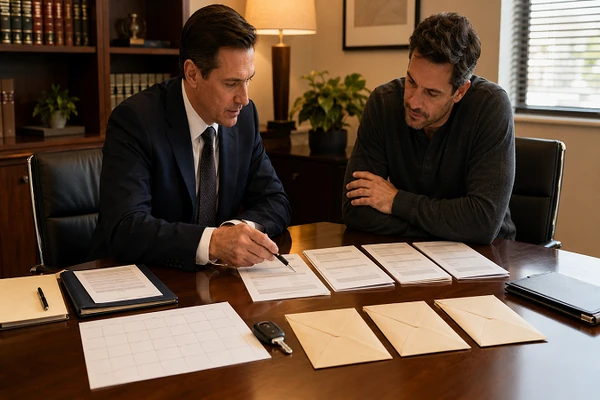
The consumer first reports the concern and presents the vehicle for authorized warranty repairs. Each visit should produce a complete repair order stating the complaint, work performed, mileage, and dates. If the defect continues, the owner may open a manufacturer claim, use an applicable arbitration program, seek legal advice, or pursue another permitted procedure.
California’s Department of Consumer Affairs describes current certified arbitration procedures, including informal presentation methods and timelines following claim acceptance. Arbitration is not the same as court, and choosing or accepting a decision can carry consequences. Current pre-suit and filing requirements can also depend on purchase date, manufacturer participation, and the path selected.
Deadlines and Procedure Need Current Review
Legal deadlines are not safely calculated from a short online rule. Purchase timing, warranty history, notice, manufacturer programs, discovery of the claim, and the remedy pursued can affect the analysis. California has also changed procedures for some vehicle disputes in recent years. Consumers should avoid waiting for the warranty to expire or assuming that continued repairs automatically extend every deadline. Timely, case-specific guidance can identify the correct route while evidence and the vehicle remain available for inspection. Early review supports better-informed decisions.

Build a Clear Evidence File
Keep the sales or lease contract, warranty, registration, financing records, repair orders, invoices, messages, photos or videos, towing and rental receipts, and manufacturer offers. Create a simple chronology with the mileage and days out of service for every visit. Review new documents before signing and retain copies. Do not rely on a service-app history that may later become unavailable.
Seven Law Group offers free case evaluations for California drivers with recurring warranty problems. Visit the firm’s website to request a review of the evidence and procedural options before accepting a settlement or surrendering the vehicle. This article is general information, not legal advice. Coverage, procedure, deadlines, remedies, fees, and results depend on the specific facts and current law.
