
Key Takeaways
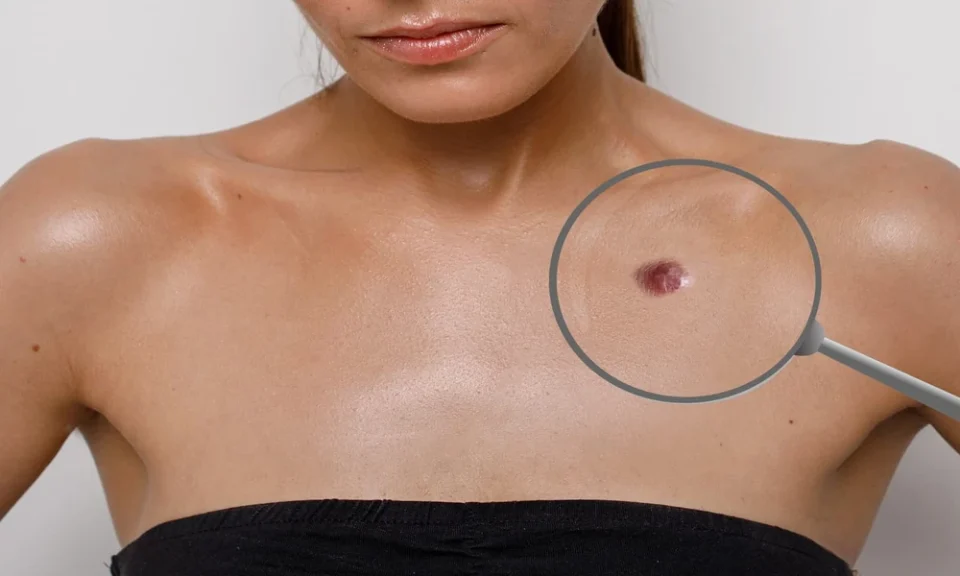
Dermatofibromas, typically benign tumors, appear as firm, raised nodules on the skin, with a size range of 0.5 to 2 centimeters in diameter.
These growths are most common in women between 20 and 50 years old, often triggered by skin trauma, insect bites, or minor injuries.
When it comes to effective treatment, surgical excision leads the pack. This method is especially recommended for larger lesions or those that cause discomfort.
Although non-invasive options like cryotherapy and laser therapy exist, the results might not be as conclusive as those achieved through surgical excision.
Often, topical treatments are not effective on their own. However, they can support healing when used after surgical procedures.
For optimal healing post-treatment, clients must follow proper aftercare routines. This includes keeping the site clean, avoiding sun exposure, and attending follow-up appointments.
After any treatment, it’s crucial to remember that visible improvements may take weeks, particularly after non-invasive methods.
What Are Dermatofibromas and Why Do They Form?
The Science Behind Dermatofibromas
Dermatofibromas manifest as benign tumors, often appearing as firm, raised nodules on the skin. Generally speaking, they’re small, with sizes from 0.5 to 2 centimeters in diameter. Although the exact cause is still a mystery, experts theorize they arise from fibroblasts-cells responsible for collagen production. When these cells grow excessively, a dermatofibroma forms, leading to various symptoms. In simple terms, they represent the skin’s response to different stimuli and are usually harmless.
Interestingly, dermatofibromas predominantly occur in women, particularly those aged 20 to 50. Several studies suggest that skin trauma, insect bites, or other minor injuries could trigger their development. Still, a common question that arises is whether there’s a hereditary link.
Common Symptoms and Appearance You Should Know
Identifying dermatofibromas isn’t too difficult, thanks to their unique features. Clients frequently note the following:
- Firm texture: These nodules feel hard when touched.
- Color variance: They typically display shades of brown, tan, or reddish, with colors changing based on skin tone.
- Surface changes: Some nodules may have a smooth or slightly domed surface.
Aside from their visual characteristics, some individuals may experience mild itching or tenderness, though these symptoms are rare. Most often, they see these growths as cosmetic issues rather than medical ones, prompting treatment primarily for aesthetic concerns.
Discovering the Triggers: Could It Be Genetic?
There’s a fascinating perspective on the potential genetic predisposition to dermatofibromas. Reports from some patients indicate a family history of similar growths, suggesting genetics might play a role. Research highlights that those with other fibrous skin tumors often have dermatofibromas as well. This connection raises intriguing questions about genetic factors involved.
Yet, it’s worth noting that a definitive link remains elusive. While genetics could be one aspect, environmental triggers also warrant consideration. Anyone seeking a deeper understanding should consult a dermatologist for tailored insights.
Latest Treatments for Dermatofibromas
Effective Methods: When to Consider Excision
In treating dermatofibromas, surgical excision proves to be a highly effective method. Essentially, this procedure involves removing the entire growth along with a margin of healthy skin, thereby reducing the probability of future occurrences. Though it requires surgery, professionals typically recommend excision for larger lesions or those that cause discomfort. Many clients report significant relief after the procedure.
The question then arises-when is excision the right choice? Factors for consideration include:
- The size of the dermatofibroma.
- Presence of pain or itchiness.
- Impact on the individual’s self-esteem.
Experts generally suggest that if a dermatofibroma is deep-seated or has been present for a while, excision may be the best option, as it provides quick and lasting results, significantly improving the patient’s experience.
Non-Invasive Options: What Works Best?
For those hesitant about surgery, several non-invasive treatments are available. These options often attract clients wanting to explore minimally invasive routes. Such treatments include:
- Cryotherapy: This method involves applying extreme cold to destroy the tissue.
- Laser therapy: Targeted light is used to break down the growth.
- Injectable treatments: Steroid injections might sometimes flatten the growth.
While these non-invasive methods can show varied effectiveness, the results may not consistently match those achieved through excision. Many patients express satisfaction with their outcomes, although the consistency of results can be a concern for some. Consulting an expert can help individuals navigate these options with confidence.
Innovations in Topical Treatments: Do They Really Help?
Topical treatments have gained traction recently, but their actual effectiveness is often called into question. Many formulations claim to reduce the size or appearance of dermatofibromas, yet experts tend to be skeptical about their true efficacy. Frequently marketed ointments and creams yield little to no noticeable change.
That said, patients who want to reduce visibility might find value in a combined approach. Applying topical agents post-surgical removal can support healing and enhance skin texture. Although topical treatments may not stand alone as a solution, they have their role in a comprehensive treatment strategy.
Aftercare and Recovery: What to Expect Post-Treatment
Post-Procedure Care: Ensuring Optimal Healing
After a treatment, proper aftercare becomes essential. Clients often inquire, what steps should be taken after the procedure? Above all, maintaining hygiene at the treatment site is crucial. Keeping it clean and dry can help prevent infections and speed up recovery. Here are essential aftercare tips:
- Avoid picking or scratching the area.
- Limit sun exposure and follow any sunblock recommendations.
- Participate in follow-up appointments to monitor healing progress.
By sticking to these guidelines, patients tend to have a smoother recovery experience. A commitment to aftercare significantly impacts the likelihood of achieving satisfactory results.
Recognizing Signs of Complications Early On
Although rare, complications can arise post-treatment. It’s critical for patients to stay alert for any warning signs that might necessitate immediate intervention. Possible signs include:
- Excessive redness or swelling: More than what is expected post-treatment.
- Pus or discharge: Possible indications of infection.
- Fever or escalating pain: Should trigger a consultation with a dermatologist.
Being informed allows patients to react promptly, safeguarding their health and peace of mind during recovery. Awareness is vital in ensuring that complications do not impede the healing process.
How Long Until You See Results? Setting Realistic Expectations
After Treating Dermatofibromas, patience is key. Results often don’t surface right away, making it important to manage expectations. Post-surgical excision, many clients notice healing within a few weeks, while complete resolution may take longer. Non-invasive treatments might require several sessions before any visible improvement occurs.
Understanding this timeline helps clients set realistic expectations and alleviate unnecessary anxiety. After all, good things often require some time to develop.
Client Success Stories: Powerful Outcomes from Treatment
A Personal Journey: From Diagnosis to Successful Treatment
Many clients recount remarkable journeys. Consider one individual, for example. After enduring years with a troubling dermatofibroma, they chose to pursue excision. Post-procedure, they didn’t just gain physical relief; their self-image also improved significantly. Hearing such success stories can motivate others who may be hesitant about seeking treatment.
Before and After: Visualizing the Difference
Visual proof can be compelling. Before and after images often highlight the dramatic changes resulting from dermatofibroma treatments. Patients frequently report feeling more confident and comfortable in their skin after witnessing these transformations. Such results emphasize the motivations behind seeking treatment and showcase the potential for successful outcomes.
Expert Insights: What Patients Should Know
“Dermatofibromas can disrupt lives, but treatment can lead to remarkable recovery. It’s about regaining confidence.” – A leading dermatologist
Insights from experts emphasize the necessity of understanding both the condition itself and the treatment options available. Patients should feel encouraged to ask questions and engage actively in their care journey. Acquiring knowledge fosters confidence, turning apprehension into proactive steps.
Treating dermatofibromas transcends simply removing a growth; it’s about improving a person’s quality of life. With informed choices and effective strategies, patients can anticipate successful outcomes and renewed confidence.
FAQ
What are the most common areas of the body where dermatofibromas appear?
Typically, dermatofibromas occur on the lower legs, arms, and trunk. Nevertheless, they can appear anywhere on the body, particularly in areas prone to friction or minor injuries.
Is there a risk of dermatofibromas turning cancerous?
Generally, dermatofibromas are classified as benign growths, meaning they are non-cancerous and typically pose no health risks. However, should there be any changes in size, color, or texture, consulting a dermatologist for evaluation is advisable.
How do dermatofibromas differ from other skin lesions?
Dermatofibromas stand apart from other lesions, like moles or warts, mainly due to their firmness and distinct appearance. Other types of skin lesions may present different textures and colors, making dermatofibromas relatively easy to identify based on their characteristics.
What should one expect during the initial consultation with a dermatologist?
During the first consultation, a dermatologist typically evaluates the dermatofibroma while discussing medical history and symptoms. This thorough examination helps inform tailored treatment discussions, paving the way for personalized care recommendations.
Can dermatofibromas recur after treatment?
Yes, there is a possibility for dermatofibromas to recur, especially if not completely excised during treatment. Surgical excision, when executed with precision, significantly reduces the likelihood of recurrence compared to non-invasive methods.
Are there any lifestyle changes that can help prevent new dermatofibromas from forming?
While there’s no surefire way to prevent dermatofibromas, maintaining skin health through appropriate skincare, minimizing trauma, and protecting skin from injuries can help. Clients often realize that good habits contribute positively to overall skin wellness.
How do different skin types affect the appearance of dermatofibromas?
Skin type may influence both the visibility and coloration of dermatofibromas. In lighter skin, these growths can appear brown or reddish, while individuals with darker skin types might show them as darker or more muted in color, which could make them less apparent.
What should patients know about the cost of treatment options?
Cost considerations vary depending on the selected treatment method, facility, and geographic location. Generally speaking, surgical excision tends to be pricier than non-invasive options, but ensuring effectiveness and long-term results should take precedence over initial costs.
