
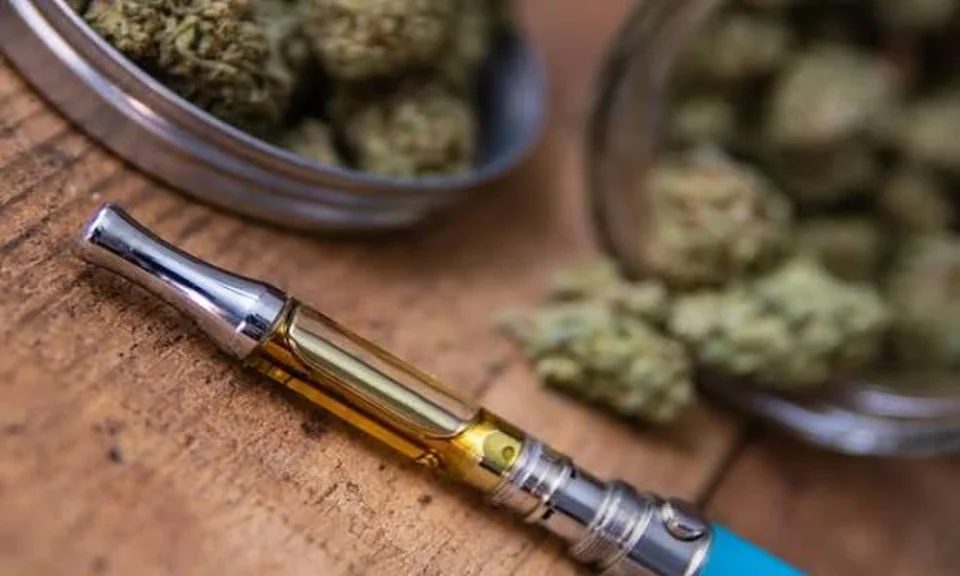
Hardware design in 2 gram carts has changed over time through three distinct stages: borrowed small format parts at launch, ceramic coil adoption as the turning point, and purpose-built capacity engineering defining current products. Early attempts stretched existing housings, while today’s designs rethink coils, airflow, and chamber shape specifically for extended service. Shoppers browsing the DabConnection best 2 gram carts 2026 selections encounter the results of this progression directly, since the leading designs now share features that barely existed when the format first appeared.
Early 2-gram design borrowing
Early 2-gram design borrowing describes the first stage of the format’s development, when makers launched larger products using wick systems and narrow intake ports carried over from half-gram designs. Thick extracts strained these borrowed parts quickly, starving coils as levels dropped and leaving oil stranded along chamber walls. Leaks appeared frequently, too, because seals rated for smaller reservoirs faced double or quadruple the pressure and contact time. Early shortcomings followed a predictable order as chambers emptied.
- Draws started strong while oil levels sat high around the coil.
- Feed problems emerged once the reservoir dropped past halfway.
- Burnt notes appeared as wicks starved near depletion.
- Remaining oil clung to walls, wasted below the intake line.
Coil shift changing 2 gram builds
Coil shift changing 2 gram builds refers to the ceramic adoption that became the biggest single change in the format’s hardware history. Elements built from porous ceramic spread warmth evenly through thick THCA and THCP oils, converting raw cannabinoids smoothly where earlier wicks scorched them. Ceramics brought several lasting changes to the larger format.
- Even heating held the vapour character steady across the full reservoir.
- Wider intake ports paired with the new elements to feed dense extracts.
- Coil lifespan stretched to match the weeks a 2-gram chamber demands.
Modern 2 gram engineering standards
Modern 2 gram engineering standards define the current stage, where the format is treated as its own category rather than an enlarged accessory. Adjustable airflow now appears widely, letting users tune resistance to match the extract inside, while sealed glass chambers protect live resin terpenes from air contact across weeks of gradual use. Threading has strengthened as well, with brass and steel connections replacing the soft fittings that loosened under repeated battery changes. Formulation and hardware advanced together through this stage. Blended cannabinoid oils and solventless rosin demanded feed systems, heat ranges, and preservation that the early scaled housings never offered, and the leading 2026 products reflect that pairing in every component.
Hardware design in 2 gram carts has changed from borrowed small-format parts to ceramic-centred, capacity-focused engineering, and each stage answered the failures of the one before it. A current product pairing a tapered glass chamber with a porous ceramic element, adjustable airflow, and brass threading directly resolves the starved wicks, wall clinging oil, and stripped fittings that defined the first generation. Users choosing among 2026 designs inherit those lessons in every component, and checking for these four features before purchase confirms whether a product carries the full progression or still leans on the borrowed parts the format outgrew.
