
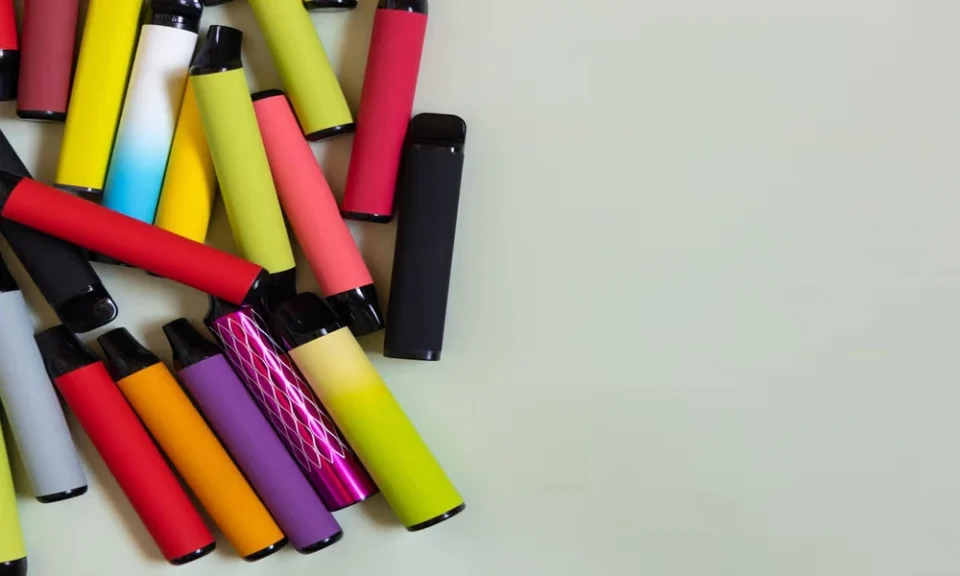
Vapour output quality is one of the first variables consumers notice when comparing products across the hemp vape category. The differences trace back to extract concentration, coil construction, and airflow design working together rather than any single variable producing the gap between a strong-performing device and one that consistently underdelivers. thca vapes vary more than most consumers expect when first comparing options at similar price points, and understanding why requires looking at each contributing variable separately before assessing how they interact during actual use.
Extract concentration levels
Extract concentration is the starting point that determines how much active cannabinoid is available for conversion during each draw. Two products carrying different concentration levels will produce measurably different vapour density at the same coil temperature and draw duration, even when the hardware is identical across both devices.
Concentration levels vary based on source material quality, extraction method, and how much post-extraction refinement the oil undergoes before filling. Live resin extract preserves a broader compound range than refined distillate but carries different viscosity characteristics that affect how the oil behaves inside the device during use. Brands that source high-concentration extract from consistent supply relationships produce more predictable output across batches than those drawing from varied sources that introduce concentration fluctuations between production runs. That batch-to-batch consistency is what separates reliable vapour output from a product that performs differently depending on which production run the consumer happens to receive.
Coil construction quality
Coil construction quality determines how effectively the heating element converts extract into vapour at the temperature the battery delivers during each draw. A coil that distributes heat unevenly across its surface produces inconsistent vaporisation that results in variable vapour density across draws from the same device using the same oil.
Compared to metal alternatives, ceramic coils distribute heat more evenly and prevent residue accumulation that narrows output quality with more sessions. Metal coil surfaces collect concentrated extract deposits that change effective heat distribution across the coil face over time, producing a gradual decline in vapour quality that consumers notice as inconsistency rather than identifying the coil as the source. Purpose-built THCA hardware uses coil specifications matched to the viscosity and conversion temperature of dense extract rather than carrying over coil designs from hardware built for lighter distillate formulations that operate at lower temperature ranges.
Airflow design differences
Airflow design shapes how vapour moves from the coil through the device to the consumer during each draw, and poor airflow calibration reduces output quality regardless of how well the extract and coil perform individually. A device where airflow resistance does not match the vapour volume produced by the oil type creates a draw that either restricts output or dilutes it with excess air that reduces density per inhale.
Purpose-built THCA airflow systems are calibrated to the vapour density that high-concentration extract produces at operating temperature, delivering draw resistance that complements the output rather than working against it. Adjustable airflow options on select formats allow consumers to fine-tune resistance to their preference, compensating for fixed calibration decisions that do not suit every consumer’s draw technique equally well.
THCA vapes vary in vapour output quality because extract concentration, coil construction, and airflow design each contribute to the final session experience, and all three must be matched to the specific demands of high-concentration extract to produce consistent output.
